Home Stump Grinding in Long Beach
Request a grinding estimate
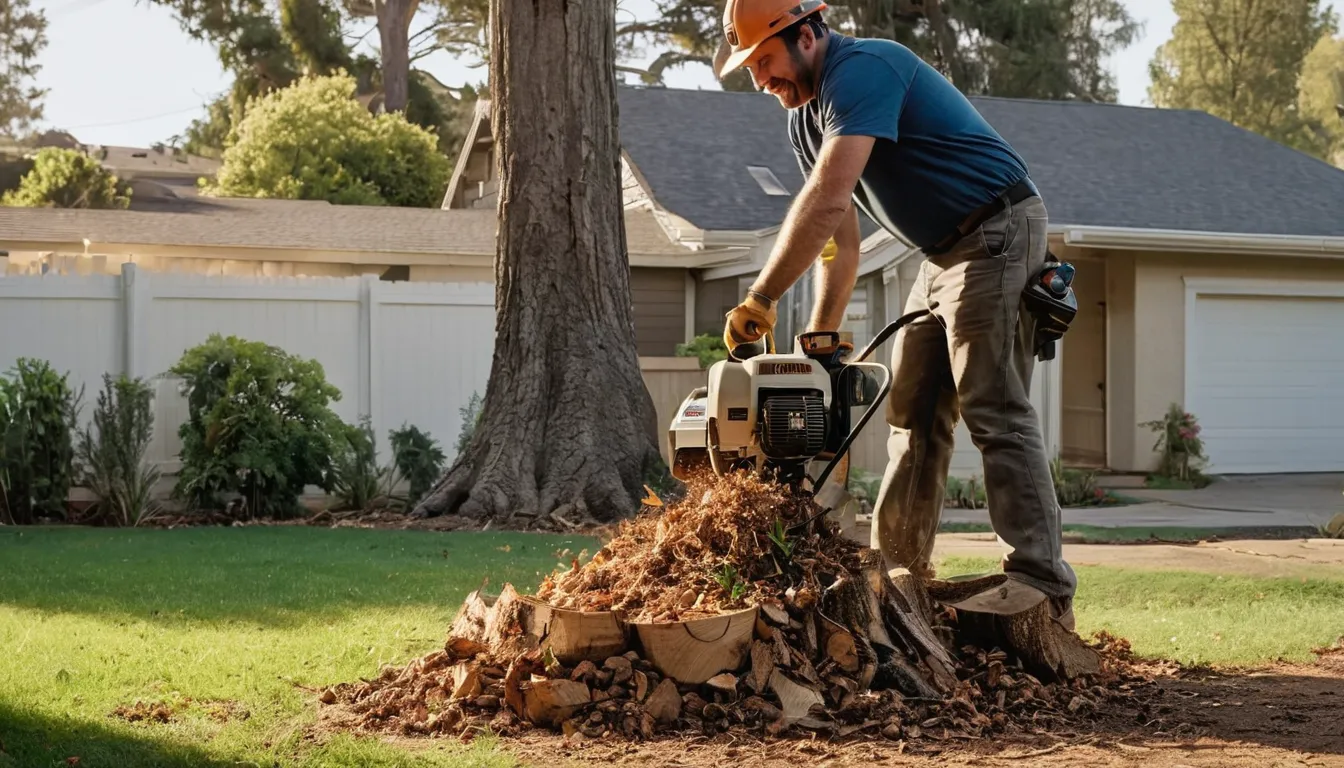
A stump left behind after a tree is gone is more than an eyesore. It trips people, blocks the mower, hides pests and sends up shoots that keep coming back. Stump grinding is the usual fix. A provider runs a machine with a spinning cutting wheel that chews the stump down below the soil line.
Triesplayer Tree Service is a referral service. It does not grind anything itself. You send a request, and Triesplayer Tree Service matches it with an independent provider in our network who serves the Long Beach area. The provider confirms the details, gives a written quote and does the work. This page walks you through the steps, from checking the stump to what to do once the grinding is done.
Stump in the yard? Check, then request
Start with a quick look at what you have. How wide is the stump? Where does it sit? Is it near a fence, a slab, a pipe or a walkway?
Those answers shape the job. Write them down. Then send a request, and a provider can quote from real details instead of guesses.
Why a leftover stump is worth dealing with
A stump looks harmless. It is not always. Wood left in the ground rots slowly, and that rot draws trouble. Grinding is the tidy way to end it.
Problems old stumps cause
Here are the usual issues, in rough order of how soon they matter:
- Trip hazard. Low stumps hide in grass. Kids and visitors catch a toe.
- Pests. Soft, rotting wood attracts termites, carpenter ants and beetles.
- Sprouts. Many stumps push up new shoots again and again.
- Blocked space. You cannot plant, build or lay sod over it.
- Spread of decay. Rot can reach healthy plants nearby.
First, step back: a safety check
Before anyone starts a machine, pause. Look for what could be hurt.
1. Note any sprinkler lines, drip lines or lights near the stump. 2. Find where gas, water, power and sewer lines run. 3. Look at fences, walls and patios within a few feet. 4. Keep pets and children indoors on the day.
Providers usually ask the local utility locator service to mark buried lines. Ask yours how they handle it.
How stump grinding works
The process is simple. Here is the order most providers follow:
1. The provider cuts the stump low if it is tall. 2. The grinder is rolled up to the stump. 3. The cutting wheel sweeps side to side, shaving the wood in layers. 4. The stump is ground several inches below the surface, often six to twelve. 5. Chips are raked into the hole or gathered up.
What happens to the wood chips
Grinding leaves a pile of chips. Some homeowners keep them for garden beds or paths. Others ask the provider to haul them away. Decide this ahead of time. Hauling can change the price.
Stump grinding vs. stump removal
These are not the same thing. Grinding shreds the stump but leaves most roots to decay underground. Removal pulls out the stump and a large part of the root ball.
Grinding costs less and disturbs less soil. Removal makes sense if you plan to pour a slab or build over the spot. Ask the provider which fits your plan.
What affects the price
No two stumps cost the same. These factors move the quote:
- Stump width, and how far below grade you want it ground
- Hardwood or softwood, since dense wood is slower to cut
- Number of stumps in one visit
- Surface roots that spread out wide
- Access, such as a narrow gate or a steep slope
- Chip haul-away
Get a written quote before work starts. See the cost table below for typical U.S. ranges.
Getting ready for grinding day
A little prep saves time. Work through this list.
Clear the path
Move cars, planters, toys and hoses. A grinder needs a clear route from the gate or driveway to the stump.
Mark what is underground
Flag sprinkler heads and any lines you know about. Share where past repairs were made.
Decide on the hole
Tell the provider whether you want it filled with chips, topsoil or left open for you to handle.
Grinding stumps left from past removals
Some stumps have been there for years. Maybe you bought the house with one. Old stumps are often softer and may be partly hollow, which can make grinding quicker. Others have hardened roots that dull the cutting teeth.
Tell the provider how long it has been there. They may check for rocks, old fencing or buried debris before they start.
Old house, extra care
Older homes have more hiding underground. Clay or cast iron sewer lines, old drain pipes and patched slabs can sit close to a tree that is long gone. Roots may have grown around them.
If your home is a 1950s to 1980s build, or an older bungalow, mention it in your request. A careful provider can adjust depth and plan the cut so lines and foundations stay safe.
What to do after grinding
The job is not finished when the machine goes quiet. Do these next:
1. Rake out loose chips or leave them in place. 2. Fill the hole with topsoil and tamp it down. 3. Water lightly if you plan to seed or lay sod. 4. Watch for sprouts and snip them early.
Planting over a ground stump
Fresh chips pull nitrogen from the soil as they break down. If you want grass or a new shrub right there, ask the provider to remove most of the chips and add topsoil. Wait a short while before planting a new tree in the same spot.
Questions to ask the provider
Bring this short list to the conversation:
- How deep will the stump be ground?
- Are chips hauled away or left behind?
- Is the quote written, and what does it include?
- How are buried lines located before work starts?
- Is the provider insured for the job?
- Can they handle roots near a slab or pipes?
Ready for the next step?
Send your request with the stump size, location and any notes about your home. A local provider in our network will follow up with the details. Request a callback to check provider availability.
What's Included
Stump Assessment
The provider checks size, wood type and roots before quoting, so the price matches the real job.
Grinding Below Grade
A grinder cuts the stump several inches under the soil, leaving a level surface for turf or beds.
Root Flare Work
Surface roots that stick out of the ground can be ground down too, when you ask for it.
Chip Cleanup
Many providers rake up the mess, haul chips away or leave them as mulch, based on your choice.
Typical Stump Grinding Costs
Prices vary by stump size, wood type, access and your area. These are typical U.S. ranges only. Always ask the provider for a written quote before any work begins.
| Item | Typical range | Notes |
|---|---|---|
| Small stump (under 12 inches) | $100 – $200 | Easy access keeps the price low |
| Medium stump (12 – 24 inches) | $150 – $400 | Most common home job |
| Large stump (over 24 inches) | $300 – $800 | Dense wood takes longer |
| Several stumps, one visit | $250 – $1,000 | Often priced per stump or per inch |
| Extra surface roots | $75 – $300 | Depends on how far roots spread |
| Chip haul-away | $50 – $250 | Skip it if you want mulch |
How It Works
Describe the Stump
Note the width, location and anything nearby, such as fences, pipes, slabs or sprinklers.
Request an Estimate
Send the form and a provider in our network reaches out to confirm details.
Review the Quote
Compare the written quote, depth, chip plan and timing before you agree.
Grinding Day
Clear the path, keep pets inside and let the provider grind the stump below grade.
Why Call Triesplayer Tree Service
One Request, One Provider
Send your details once and a local provider in our network follows up, so you skip the phone tag.
Checklist First
We guide you through size, access and goals before the quote.
Older Homes Considered
Mention old pipes, slabs or past repairs so the plan accounts for them.
No Obligation
Requesting an estimate does not commit you to hiring any provider.
Other Services
Need home stump grinding in Long Beach?
Ready to start? Send an estimate request and tell us about the tree. A local provider will follow up with next steps and a written quote.
No obligationHome Stump Grinding FAQ
How deep does stump grinding go?
Most providers grind about six to twelve inches below the surface. That is deep enough for grass or small plants. Tell the provider if you plan to build or plant a tree there, since you may need more depth.
Is stump grinding better than stump removal?
Grinding usually costs less and leaves the yard less torn up. Removal pulls out more of the root ball, which helps if you will pour concrete or build over the spot. Ask the provider which suits your plan.
Can a stump grow back after grinding?
Some species send up sprouts from leftover roots, even after grinding. Snip shoots early and keep an eye on the area. Ask the provider about options if sprouting is common with your type of tree.
Reach a local provider
Ready to start? Send an estimate request and tell us about the tree. A local provider will follow up with next steps and a written quote.
No obligation